A titanium tactical pen sample can look finished while still hiding problems in refill fit, mechanism travel, clip retention, threads, balance, marking, or repeatability. Before approving production, a brand needs to test the complete sample against controlled requirements rather than judging appearance alone.
The most useful sample review combines measurements, functional checks, realistic carry and writing trials, and a record of every component installed. This article provides a practical framework. Exact acceptance limits must come from the approved drawing, specification, test method, and intended market; they should not be invented during inspection.
Confirm Which Sample Stage You Are Reviewing
An early engineering sample answers whether the design works and what should change. A pre-production sample should represent the intended materials, processes, finish, marking, assembly, and packaging closely enough to confirm production readiness. Mixing those purposes creates confusion: an engineering sample may be useful even with temporary features, while a pre-production sample needs tighter configuration control.
Use the comparison of engineering and pre-production samples for EDC products to define the decision expected at each stage. Label every pen sample with its drawing revision, refill, mechanism version, finish, and date.
Titanium Tactical Pen Sample Test Matrix
| Test area | What to check | Typical evidence |
|---|---|---|
| Identity and configuration | Drawing revision, material callout, refill, spring, spacer, clip, mechanism, finish, and marking | Sample record and component list |
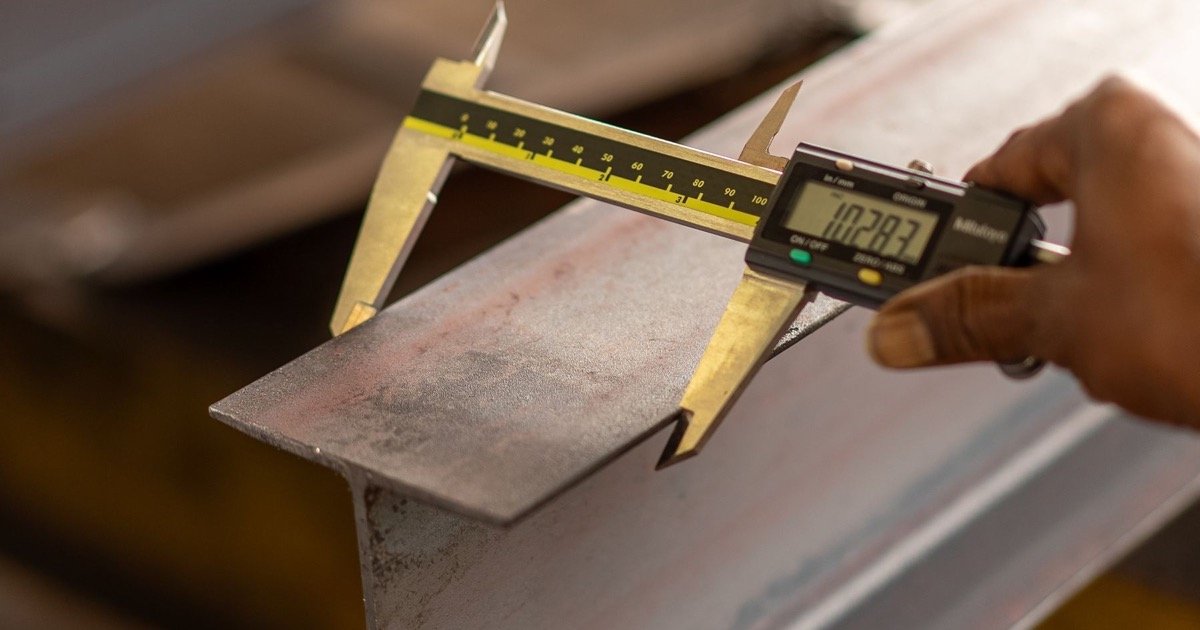
| Dimensions | Overall length, grip diameter, tip opening, critical shoulders, thread engagement, and clip position | Inspection results against drawing tolerances |
| Mechanism | Actuation force, travel, locking, release, incomplete engagement, scraping, and accidental movement | Cycle observations and defect log |
| Refill fit | Installation, tip extension, retraction, wobble, rattle, spring seat, spacer, and writing | Approved-refill test sheet |
| Clip and carry | Retention, insertion, removal, rotation, snagging, pocket wear, and screw security | Carry trial and retention method |
| Ergonomics | Grip comfort, balance, writing angle, control, sharp transitions, and extended use | Structured user evaluation |
| Finish and marking | Texture, color range, cosmetic zones, edges, logo position, contrast, and handling marks | Approved range samples and visual record |
| Assembly and service | Loose parts, thread starts, closing, refill replacement, tools, and reassembly | Assembly checklist and instructions |
Inspect Dimensions Around Function
Do not measure every dimension with the same priority. Start with characteristics that control refill support, mechanism travel, thread engagement, clip location, and grip. A dimension can be numerically within tolerance while the combined tolerance stack produces poor fit or feel.
Record the measuring method and datum, not only the result. The guidance on choosing tolerances for titanium EDC products explains how functional interfaces should drive the tolerance plan. If the pen body is hollowed, also inspect minimum walls and feature intersections described in hollow versus solid titanium pen bodies.
Test the Mechanism Slowly Before Cycling
Operate the mechanism slowly at first. Feel for scraping, uneven resistance, incomplete locking, abrupt release, or contact between moving parts. Check whether the refill extends to the intended position and retracts fully. Diagnose the source of any noise before changing clearances.
Then perform the agreed cycle test using the production-intent mechanism and assembly condition. Record the configuration, initial force or feel, observations at defined intervals, and the condition after testing. Do not publish a durability claim unless the method and evidence have been internally approved.
The comparison of bolt-action, click, and capped titanium pens helps teams identify mechanism-specific questions.
Verify Every Approved Refill
Similar-looking refills can differ in length, tip geometry, shoulder location, spring interface, and rear support. Test each named refill with the correct spring and spacer. Check installation, tip position, lateral play, writing angle, retraction, rattle, and removal after carrying the pen.
Use the titanium pen refill guide to document compatibility without claiming that all cartridges in a broad family will interchange.
Evaluate Weight, Balance, and Grip
Measure the complete assembled pen, not an empty body. The mechanism, refill, clip, cap, and rear tool can move the center of balance. Evaluate comfort during short notes and longer writing tasks, with representative hand sizes and grip styles.
The guide to titanium pen weight and balance provides a structured method for recording configuration and user feedback. Separate measurable results from preference: a sample may conform to its weight target while still needing an ergonomic revision.
Test the Clip in Real Carry Conditions
Clip performance depends on the pen, pocket material, seam thickness, insertion depth, body diameter, and movement. Try representative pants, workwear, bag loops, and organizers. Check insertion and removal, retention, rotation, snagging, body contact, and whether the clip returns to its original position.
Inspect fasteners and mounting features after testing. If the clip is removable, include tool access and reassembly in the service review. The EDC pocket clip design guide covers geometry and validation in more detail.
Review Finish and Marking Under Controlled Conditions
Inspect the sample clean, under defined lighting, at a consistent distance and angle. Identify cosmetic zones, permitted contact marks, finish transitions, color range, logo position, orientation, and contrast. A single attractive photograph is not a production acceptance standard.
Handle the sample as intended, then check fingerprints, edge comfort, pocket contact, and cleaning. Compare the outcome with the titanium surface finish guide and retain physical range references where appearance naturally varies.
Run a User Replacement and Service Trial
- Give the tester only the proposed instructions and tools.
- Observe which end they open and whether any parts are lost or reversed.
- Check thread alignment, closing force, and protection of finished surfaces.
- Install every approved refill configuration.
- Operate the mechanism and write after reassembly.
- Record confusion, damage, loose parts, or steps needing clearer instructions.
Serviceability should be designed rather than assumed. The principles in designing replaceable parts into titanium EDC products help identify ownership and documentation needs.
Approve With a Controlled Record
List every accepted result, open issue, approved deviation, and required revision. Photographs should show controlled views, but they should support—not replace—drawings, measurements, finish references, and test results. If any critical requirement changes, reassess which tests must be repeated.
For a broader cross-product plan, use the titanium EDC prototype testing checklist. Production approval should identify who accepted the sample and exactly what that approval covers.
FAQ
Is one pen sample enough for approval?
One sample can reveal design issues, but it cannot establish production variation. Sample quantity and selection should match project risk and the agreed validation plan.
Should the supplied refill be included in testing?
Yes. Test the supplied refill and every alternative the product will claim to support, each with the correct spring or spacer configuration.
Can a golden sample replace the drawing?
No. A physical sample helps control appearance and feel, but measurable dimensions, materials, functions, and tests still belong in controlled documents.
Preparing a Titanium Pen for Production?
Review the titanium tactical pen category and Product Development hub for related decisions. Brands can review Alloywright’s development capabilities or submit a drawing, sample, or test requirement for project review.