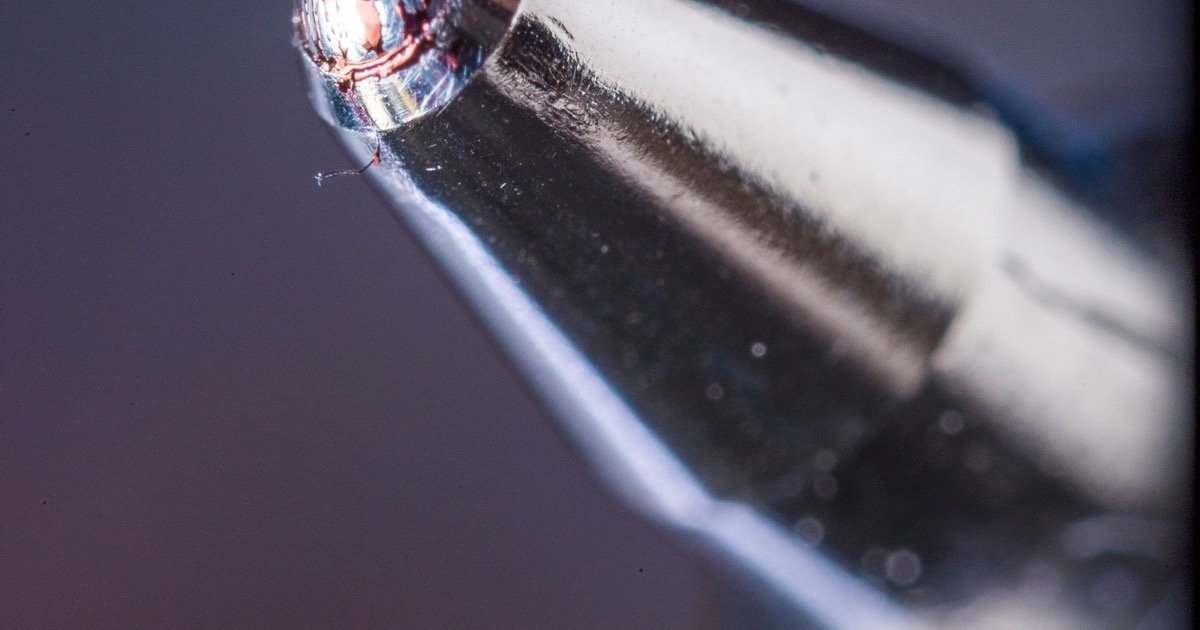
A titanium tactical pen can last much longer than its original ink cartridge, so refill choice is part of the product experience rather than an afterthought. A refill that looks similar may differ in body length, shoulder position, tip diameter, rear profile, spring seat, or required spacer. Those differences can cause tip rattle, incomplete extension, mechanism binding, cap interference, or failure to retract.
The safest approach is to treat the titanium pen refill as a controlled component. Record the approved format and exact tested models, then verify every intended alternative in the complete pen instead of assuming that a familiar refill family guarantees interchangeability.
Identify the Pen Mechanism First
Bolt-action, click, twist, and capped pens manage the refill differently. A retractable design depends on the relationship between mechanism travel, spring compression, tip opening, and the refill’s shoulders. A capped pen may appear more tolerant, but the cap, inner seal, body length, and tip support still determine whether the refill fits securely.
Use the comparison of bolt-action, click, and capped titanium pens to understand why one refill strategy does not suit every mechanism. The overview of what makes a good titanium tactical pen connects the refill to grip, balance, clip, and daily carry.
Titanium Pen Refill Selection Matrix
| Check | What to record | Possible symptom if wrong |
|---|---|---|
| Overall format | Body shape, front shoulder, rear end, and manufacturer reference | The cartridge will not seat or the body will not close |
| Length | Actual sample length and allowed variation | Tip remains recessed, protrudes too far, or preloads the mechanism |
| Tip geometry | Tip diameter, taper, shoulder location, and supported contact area | Visible wobble, scraping, or poor retraction |
| Spring interface | Spring size, orientation, compression, and seat | Weak return, coil binding, or a loose spring |
| Rear support | Spacer, follower, end plug, and contact point | Rattle, excess travel, or inconsistent actuation |
| Ink behavior | Point size, ink type, line character, drying, and storage orientation | Writing performance does not match the product promise |
| Replacement access | Opening direction, loose parts, tools, and instructions | Users damage the finish, lose components, or install the refill incorrectly |
Measure the Refill as a System
Do not use overall length alone. Compare the tip diameter, taper, front shoulder, main tube diameter, rear geometry, and the locations where the pen supports the cartridge. Two refills of similar length can sit differently because the support surfaces are not in the same place.
Measure multiple samples when possible. Refills are consumables from another manufacturing process, so the pen should not depend on one unusually tight or loose example. Define enough clearance for assembly and function without creating distracting lateral play at the tip.
Match the Spring, Spacer, and Travel
In a retractable pen, the spring and refill form part of the mechanism. Review free length, working compression, coil clearance, seating, and whether the spring can tilt or catch. A spacer may adapt a shorter cartridge, but it should locate repeatably and should not be easy to lose or reverse.
Cycle the mechanism slowly during development and inspect for scraping, incomplete locking, accidental release, and unusual force. If threaded titanium parts are opened for refill replacement, include alignment and care instructions; the guide to titanium thread galling prevention explains why clean starts and controlled interfaces matter.
Evaluate Writing Performance Separately From Fit
A cartridge can fit mechanically and still be a poor match for the target user. Compare line width, start-up, pressure, ink flow, drying behavior, paper feel, and performance after ordinary carry. Test the pen at realistic writing angles and grip positions. If the product promise emphasizes smooth everyday writing, do not approve a refill solely because it is widely available.
Storage and environmental behavior vary by ink system. Avoid broad claims about temperature, permanence, pressurization, or document use unless the refill manufacturer provides relevant information and the complete pen has been evaluated for the intended conditions.
Check Tip Support and Rattle
The nose opening should support the refill without rubbing excessively or creating obvious side-to-side movement. Too much clearance can make writing feel imprecise; too little can bind when parts, finishes, or refill dimensions vary. A removable tip insert can help control the interface, but it adds another component and tolerance stack.
Evaluate sound as well as movement. Rattle may come from the tip, rear cavity, spring, clip, or mechanism rather than the refill body itself. Diagnose each source before adding a tighter fit that could reduce reliability.
Design a User-Friendly Replacement Process
- State the approved refill format and tested references clearly.
- Show which end of the pen opens and identify any loose spring or spacer.
- Protect finished surfaces from tool contact and unnecessary force.
- Use orientation features where a component can be installed backward.
- Confirm the body closes fully without crushing or preloading the refill.
- After replacement, test extension, locking, retraction, and writing.
If the pen is part of a serviceable range, connect the refill instructions with the broader principles in designing replaceable parts into titanium EDC products.
Validate Approved and Alternate Refills
Test each named refill independently across representative pens. Check installation, tip position, mechanism force, rattle, writing, leakage signs, and removal after carry. Do not market a pen as accepting “all standard refills” unless that scope has a clear definition and evidence.
For a branded product, decide whether the supplied cartridge is a temporary starter or the intended long-term writing experience. Replacement availability, geographic market, packaging, and instructions affect customer satisfaction even though the cartridge is not the titanium component.
FAQ
Do refills with the same overall length always interchange?
No. Tip geometry, shoulders, tube diameter, rear profile, springs, spacers, and mechanism travel can differ.
Can a spacer make any shorter refill compatible?
No. A spacer changes axial position, but it cannot correct incompatible tip geometry, body diameter, spring interface, or mechanism behavior.
Should a pen support more than one refill?
Multiple approved options can be useful, but every listed model should be tested and the required spring or spacer configuration should be documented.
Developing a Titanium Pen Platform?
Browse the titanium tactical pen category and EDC Gear hub for related carry and mechanism decisions. Brands can review Alloywright’s development capabilities or share a pen and refill requirement for a project discussion.