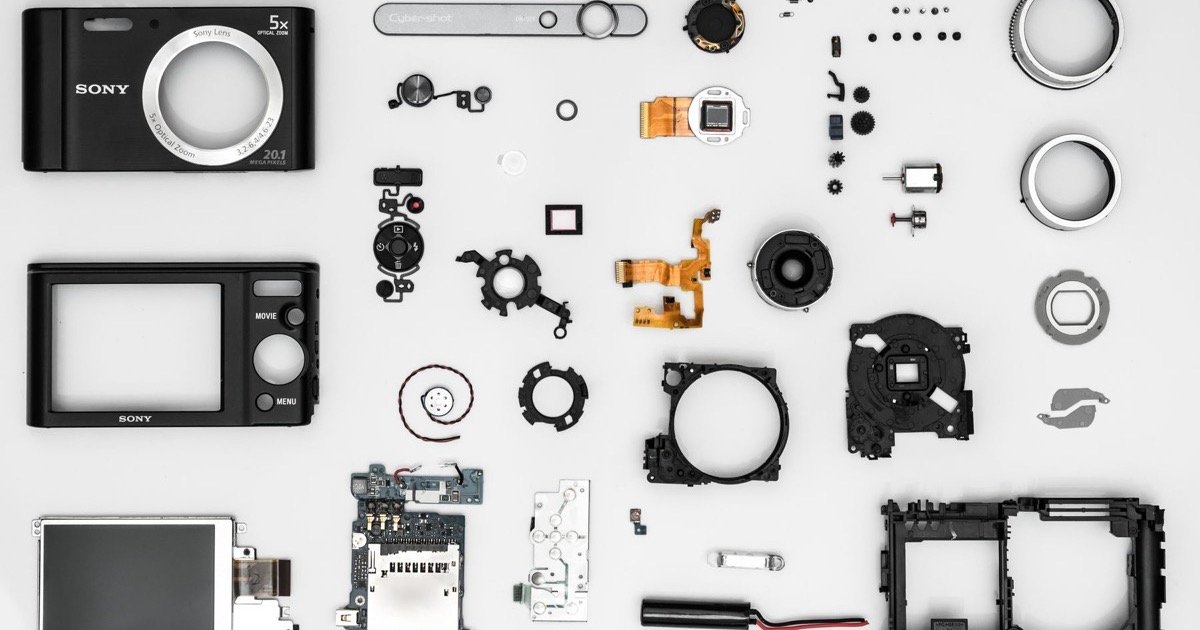
Replaceable parts can extend the useful life of a titanium EDC product, simplify warranty service, and let users maintain components that naturally wear or vary. They can also introduce loose hardware, incorrect assembly, inventory complexity, and new failure points. Good serviceable design begins by deciding which parts should be replaceable, by whom, with what tools, and under which acceptance criteria.
Define the Service Boundary
Separate user-replaceable, retailer-serviceable, factory-serviceable, and non-serviceable components. A pen refill may be intended for any user, while a spring, pivot, or pressed insert may require trained service. The boundary should reflect safety, assembly sensitivity, tools, replacement frequency, and the consequences of incorrect installation.
Do not expose a fastener simply because it is possible. If users are not meant to open an assembly, avoid suggesting serviceability through visible tool features or incomplete instructions.
Common Replaceable Parts in EDC Products
| Part | Why it may be replaceable | Design questions |
|---|---|---|
| Pen refill | Consumable writing component | Approved formats, spacers, springs, tip extension, and access |
| Pocket clip | Can bend, wear, or support style variants | Fastener retention, alignment, mounting surface, and fabric clearance |
| O-ring or seal | Can age, cut, flatten, or be lost | Material, size, groove, compression, lubrication, and installation |
| Spring or detent | Repeated motion may change behavior | Orientation, preload, loose-part control, and test criteria |
| Fastener | Needed for access or repair | Drive type, grade, length, torque policy, thread treatment, and spares |
| Attachment hardware | Users may change carry configuration | Interface dimensions, closure, load path, and compatibility |
Design the Interface, Not Only the Spare Part
A replacement part must locate, retain, and function correctly in both new and used products. Define datums, tolerances, contact surfaces, orientation, and acceptable play. Account for finish thickness, wear, contamination, and accumulated tolerance across the assembly.
Where threads are used, specify engagement, lead-in, stop, material pairing, surface treatment, and a clear tightening policy. Repeated service can expose titanium threads to cross-threading or galling. Use the guide to titanium thread galling prevention alongside the tolerance decisions in choosing tolerances for titanium EDC products.
Control Tools and Fasteners
Choose a drive type that matches the intended service level and available space. Tiny decorative fasteners may look refined but can be difficult to hold, torque, or replace. Tool access should not force contact with a finished surface or require awkward angles.
If torque is critical, define the method, tool condition, and any thread-locking or lubrication requirement rather than giving users a vague “tighten securely” instruction. Reusable and single-use fasteners should be identified clearly. Include the correct spare hardware when loss during service is reasonably foreseeable.
Make Replacement Hard to Perform Incorrectly
Use orientation features, captured parts, visual landmarks, and a logical sequence where practical. Prevent springs, seals, clips, or spacers from being installed backward. If two similar parts are not interchangeable, distinguish them through geometry, marking, packaging, or part numbers.
A serviceable design should also avoid creating hidden damage. For example, replacing a clip should not require prying against the body finish, and installing an O-ring should not drag it across a sharp thread. The EDC pocket clip design guide shows how mounting and retention decisions affect the whole product.
Plan Spare Parts as Products
A spare part needs its own drawing, revision, material, finish, inspection criteria, packaging, label, and compatibility statement. Define whether a new revision is backward-compatible. Keep the product, spare, and instructions synchronized so customers do not receive a part that physically fits but changes function.
Inventory should include small, easily lost items where appropriate. Packaging needs enough protection and identification to prevent mixing similar screws, seals, or springs. For private-label programs, clarify whether spares carry branding and how replacements will be supplied after the main product changes.
Validate the Service Process
- Use a representative product that has experienced normal carry or cycling.
- Give the intended user only the approved tools and instructions.
- Observe disassembly, part identification, replacement, and reassembly.
- Record lost parts, tool slips, finish damage, confusion, and excessive force.
- Repeat the original functional and safety-related checks after service.
- Verify multiple replacement parts across the allowed tolerance range.
Include the service operation in the titanium EDC prototype testing plan. A mechanism such as a pen also needs checks with every approved consumable; compare the bolt-action, click, and capped pen mechanisms for examples of different access paths.
Use DFM and Serviceability Together
A replaceable part should not make primary assembly unnecessarily slow or variable. Review how it is installed in production, how it is inspected, and whether service access weakens the product or expands the cosmetic rejection area. Design for Manufacturing review should include both factory assembly and the planned maintenance lifecycle.
FAQ
Should every wear part be user-replaceable?
No. Replacement may require tools, calibration, sealing, or functional checks that are better handled by a retailer or factory.
Can a visible screw make a product serviceable?
Not by itself. Serviceability also requires controlled interfaces, parts, tools, instructions, compatibility, and post-service verification.
Should spare parts use the same finish as the original product?
That depends on the cosmetic standard and expected batch variation. Approve how new spares should look beside a carried product.
Developing a Serviceable Titanium EDC Product?
Review the Product Development hub and Alloywright development capabilities to connect service strategy with geometry, sampling, and inspection. Share the assembly and intended replacement parts for a project review.