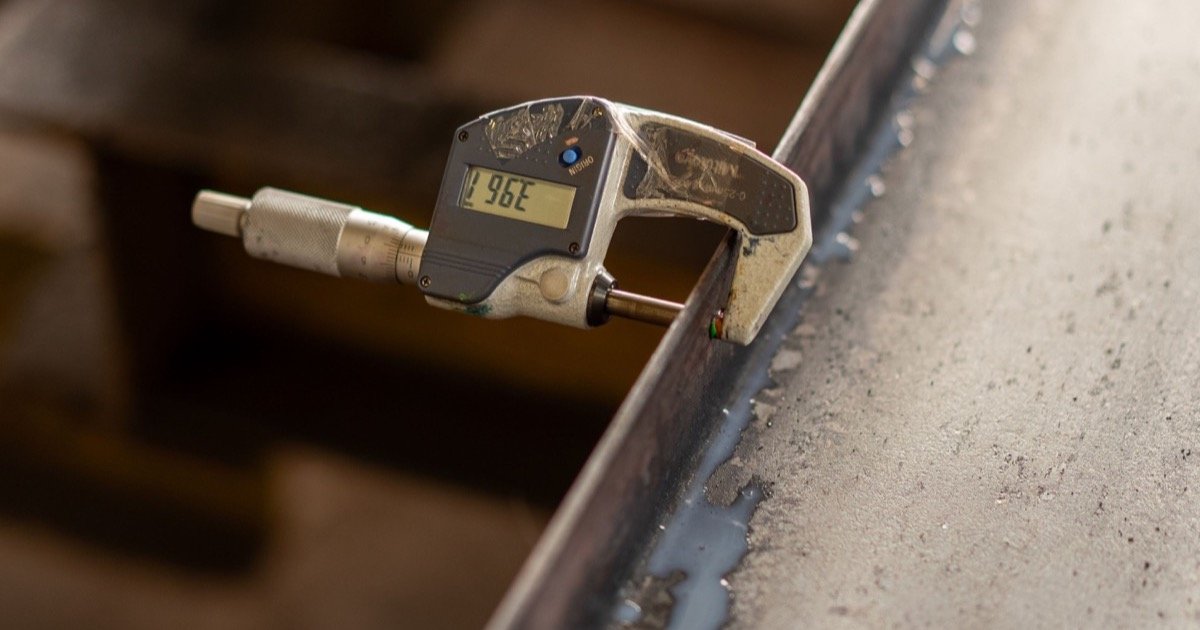
Design for manufacturability turns an attractive EDC concept into a product that can be made, assembled, inspected, and reordered consistently. DFM is most valuable before tolerances, finishes, and tooling decisions become expensive to change.
What is DFM?
DFM is a structured review of geometry, material, process, tooling, assembly, finishing, and inspection. It does not mean removing every distinctive feature. It identifies where the design intent and production method conflict, then proposes controlled alternatives.
Where DFM reduces risk
| Risk area | Typical issue | DFM response |
|---|---|---|
| Geometry | Deep pockets, thin walls, inaccessible corners | Adjust features or process strategy |
| Tolerances | Every dimension is tightly controlled | Identify critical-to-function dimensions |
| Threads and fits | Insufficient engagement or finishing allowance | Review standards, access, and mating parts |
| Finish | Texture selected after dimensions are frozen | Define sequence, masking, and cosmetic zones |
| Assembly | Fasteners or tools cannot reach | Review order, fixtures, and serviceability |
| Inspection | Requirement has no practical measurement method | Define datum, gauge, test, and acceptance rule |
Start with product function
Explain the intended user, tasks, loads, environment, and foreseeable misuse. A titanium pen mechanism, pry tip, whistle chamber, and keychain clip need different functional priorities. DFM decisions without context may optimize the wrong feature.
Review material and stock form
Specify the grade when validated, or describe the performance needed. Bar, tube, sheet, and plate influence machining and yield. Compare titanium grades before freezing the drawing.
Control tolerances intentionally
Tight tolerances increase machining and inspection effort. Use them where fit, movement, sealing, or function requires them; allow practical variation elsewhere. Establish datums and inspection methods so supplier and buyer measure the same way.
Include finish and branding early
Blasting, stonewashing, anodizing, coating, polishing, and logo processes interact with dimensions and handling. Define priority cosmetic faces, protected functional areas, color range, and reference samples. See how to specify titanium finishes.
Prototype the risk, not only the shape
An engineering sample should test the uncertain features: grip, mechanism, clip force, chamber output, thread fit, edge safety, or assembly. A pre-production sample should confirm the intended process and packaging. Compare engineering and pre-production samples.
DFM review checklist
- Function and critical requirements
- Material grade and stock form
- Machining access and tool radii
- Wall thickness and distortion risk
- Threads, fits, pivots, and clips
- Deburring and edge requirements
- Finish sequence and masking
- Assembly and service access
- Inspection datums and gauges
- Packaging protection
Frequently asked questions
Does DFM make every product generic?
No. A good review protects the distinctive design intent while addressing avoidable production risk.
When should DFM begin?
Before final drawings and tooling, then again after important revisions and before production release.
Can DFM guarantee zero defects?
No. It reduces foreseeable risk; process control, validation, and inspection remain necessary.
Outputs of a useful DFM review
A DFM review should produce decisions, not only comments. Typical outputs include a marked drawing, open-issue list, proposed tolerance changes, process sequence, finish and masking notes, prototype plan, inspection approach, and owners for each unresolved item.
When a recommendation changes user experience or product positioning, the brand should approve it explicitly. The final quotation, approved sample, purchase order, and inspection documents should all reference the same revision.
Make production constraints visible early
Alloywright can review sketches, samples, drawings, or CAD through its product development capabilities. Share your files and critical requirements for a DFM review.