A logo on private label titanium EDC gear should support identification without reducing grip, hiding a control, or creating a cosmetic inconsistency. The right location depends on the product’s geometry, finish, marking method, packaging, and how users see the item during carry. This guide helps brand teams specify a logo before sampling and approval.
Start With the Product’s Visible Surfaces
Map how the item appears when carried, displayed, and used. A pen may show one face in a product photograph but rotate in the hand. A pry tool may have a large flat face yet spend most of its life clipped inside a pocket. A keychain item may swing and expose both sides. Decide whether the logo should be prominent, discreet, or visible only when the product is handled.
Make the primary branding goal explicit: shelf recognition, subtle premium identity, traceability, or differentiation among product variants. These goals can lead to different positions.
Location Tradeoffs by Product Type
| Product | Potential location | Watch for |
|---|---|---|
| Titanium pen | Barrel flat, cap, or clip | Hand contact, clip spring zone, curvature, refill or mechanism access |
| Pry bar | Flat body face or recessed panel | Working edge, grip area, surface texture, small feature spacing |
| Whistle | Exterior wall away from the airway | Mouthpiece contact, chamber openings, tiny curved surfaces |
| Keychain tool | Flat tab or broad body face | Ring-hole strength, swinging wear, mark readability |
| Packaging | Box, sleeve, insert, or label | Artwork revision, barcode and regulatory information |
Choose the Marking Method With the Finish
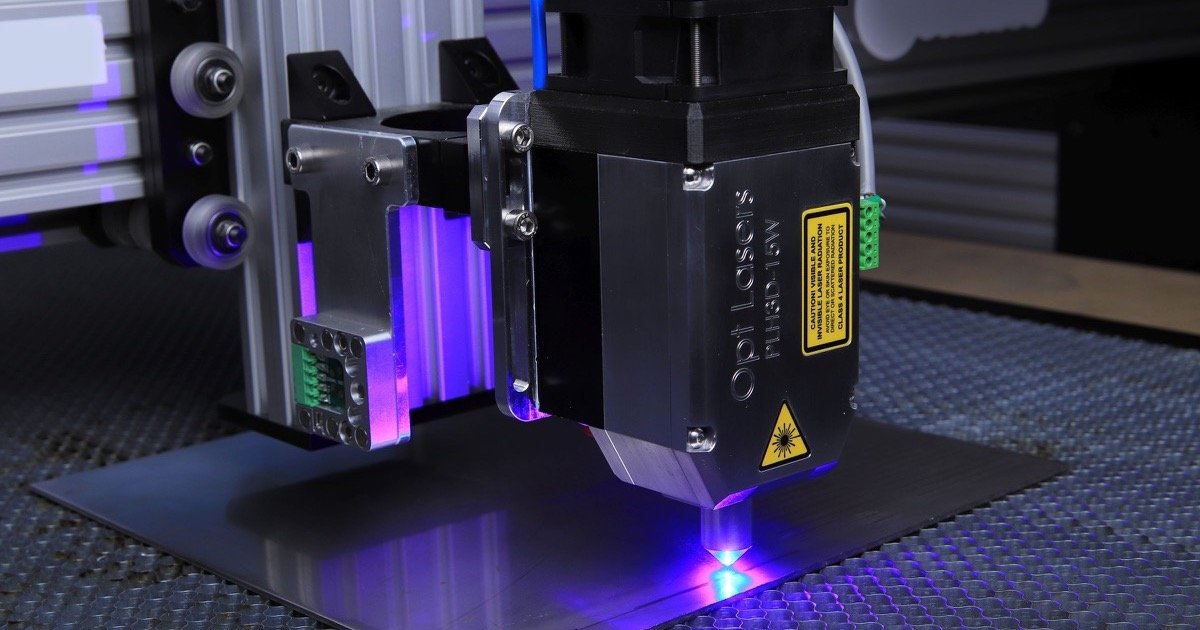
Laser marking, engraving, printing, and other techniques can produce different contrast, depth, edge definition, and wear behavior. Availability and result depend on alloy, surface finish, geometry, equipment, and the particular design; do not assume every method works on every part. A logo sampled on polished metal may look different after bead blasting or anodizing. Decide the process sequence with the manufacturer and approve an actual finished sample.
For finish selection, read titanium surface finishes for EDC products and why anodized titanium colors vary. If branding is part of an OEM program, compare existing-platform customization and original development before locking the layout.
Specify More Than a Logo File
- Provide approved vector artwork and identify the revision.
- Define location from a clear datum or visual reference.
- State size, orientation, contrast, and allowed variation.
- Identify whether the logo is cosmetic, functional, or required for traceability.
- Approve its appearance on the final finish, not a raw sample.
- Specify how an error is classified during inspection.
For curved or faceted surfaces, include photographs and drawings showing the intended viewing face. Confirm that the mark does not conflict with sharp edges, threads, controls, or attachment holes.
Branding and Packaging Should Agree
A subtle on-product logo may need more visible packaging. Conversely, a highly visible mark on the tool can be paired with restrained packaging. Check that product, box, insert, labels, and online images use the same brand spelling, artwork revision, and variant names. The private-label EDC quality control checklist includes pack-out and labeling checks.
Review Real Product Platforms
The faceted titanium tactical pen and titanium keychain category show different surface and carry geometries. Use them as discussion references, not as a promise that a particular mark or finish is already approved. The OEM & Private Label hub connects logo decisions to other sourcing questions.
FAQ
Should the logo always be in the most visible position?
No. Prominence can conflict with hand comfort, finish consistency, or the desired premium appearance. Choose based on brand goal and product use.
Can one logo specification apply to every product in a line?
Artwork can be shared, but placement and marking parameters may need separate approval for each geometry and finish.
When should logo placement be approved?
Before production release, on a representative sample with the intended material, finish, and marking process.
Preparing a Private-Label Project?
Alloywright can review logo, finish, packaging, and manufacturability requirements as part of an OEM or private-label program. Explore development and production capabilities and the Alloywright product range, then submit your artwork and product requirement for quotation. Specific marking options require project confirmation.