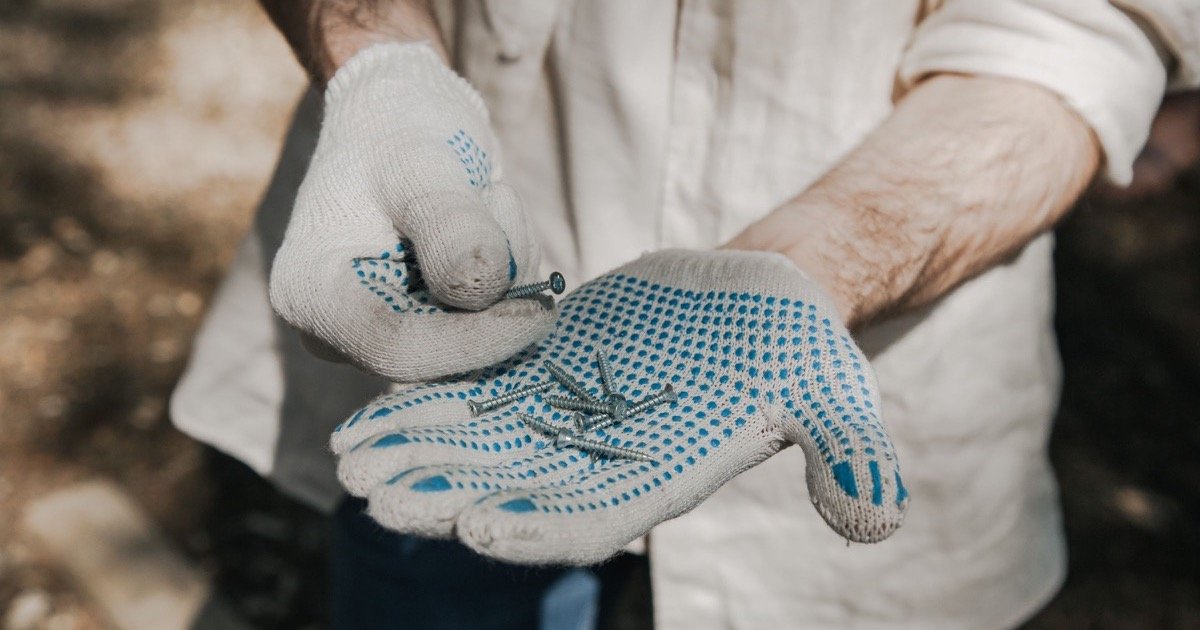
A tool that feels precise in bare hands can become difficult to retrieve or operate with gloves. Glove-friendly EDC tool design is not simply about making every part larger. It requires understanding glove thickness, grip, tactile feedback, controls, attachment, and the environment in which the tool will be used. This checklist helps product teams test those interactions before geometry is frozen.
Define the Glove and the Task
Thin work gloves, winter gloves, and protective gloves change finger reach and sensitivity in different ways. Specify the intended user and conditions before setting a size target. Is the task opening a cap, releasing a clip, operating a sliding pen mechanism, attaching a whistle, or using a pry tool? Each action has a different force and dexterity demand.
Do not claim a product is “glove-friendly” without defining which gloves and tasks were tested. That requirement belongs in the product specification.
What Changes With Gloves?
| Interaction | Typical challenge | Design review |
|---|---|---|
| Retrieval | Small tabs and clips are hard to pinch | Expose a usable grip area and test access from pocket or pack |
| Control operation | Low-profile buttons can be hard to locate | Provide tactile landmarks and adequate travel |
| Grip | Smooth, narrow metal can rotate in the hand | Review texture, cross-section, and pressure points |
| Attachment | Tiny gates and rings demand fine motor control | Check opening size and secure closure |
| Wet or cold use | Moisture and reduced sensitivity change feedback | Test realistic handling rather than dry tabletop use |
Grip Geometry Before Decorative Texture
Texture can help, but it cannot fix a handle that is too short or shaped poorly for the intended force. Inspect where the palm and fingers contact the tool. Check whether a knurled or blasted surface will abrade gloves, collect dirt, or conflict with a brand’s cosmetic target. A ring-grip tool, such as the ring-grip titanium pry bar, illustrates a different retention strategy from a flat pocket tool; the right geometry depends on use and glove type.
Make Controls Findable Without Accidental Activation
Moving parts need tactile cues and sensible resistance. A larger button or lever may improve access but also become easier to bump in a pocket or pack. Review the full travel, detent behavior, pinch points, and closing action. For a tactical pen, check both deployment and writing grip; an oversized control can interfere with normal use. The side-slider titanium pen is one product architecture to compare.
Plan Attachment and Safety Together
A loop, ring, or carabiner can improve access, but exposed hardware may snag. Where the product is intended for outdoor use, consider how it attaches to clothing or a pack and whether it remains reachable with layers on. Avoid long loose cords around machinery or routes where entanglement is a concern. For signaling items, the emergency-whistle attachment guide will address carry placement after this design-level review.
Prototype With a Defined Test Matrix
- Select representative gloves and user hand sizes.
- Define each task and a clear success criterion.
- Test retrieval, operation, grip, reset, and reattachment.
- Repeat with expected moisture, layers, or cold conditions when practical.
- Record slips, pinch points, accidental operation, and user comments.
- Revise geometry and retest before pre-production approval.
Dimensions and clearances must be reviewed with manufacturing. See choosing tolerances for titanium EDC products and how DFM reduces development risk for related decisions.
FAQ
Does knurling automatically make a tool glove-friendly?
No. Texture is one variable. Size, reach, control location, glove material, and task loads also matter.
Should the product be tested with only one glove type?
Only if the intended use is genuinely limited to that glove. Otherwise, define a representative range and state the limits of the claim.
Can a compact tool stay compact and still work with gloves?
Often, but there is a tradeoff. Product teams should prioritize critical tasks rather than adding features that become unusable at small scale.
Developing a Glove-Use EDC Product?
Review the Product Development hub and Alloywright capabilities for the path from concept to tested sample. Share your glove-use requirement for a project-specific feasibility discussion.