How you clean titanium EDC gear depends on the finish as much as the metal. A satin-machined pry tool, polished pen, stonewashed keychain, and anodized component may all tolerate normal handling, yet an abrasive that is harmless on one surface can change the appearance of another. This guide offers a conservative routine and explains when to stop and check the maker’s care instructions.
Start With the Finish, Not the Cleaner
Identify whether the item is bare, polished, brushed, bead-blasted, stonewashed, anodized, coated, or assembled with other materials. Check for inks, adhesives, springs, bearings, refills, lubricated threads, or inserts that should not be soaked. If you cannot identify the finish or construction, use the least aggressive method and test a hidden area first.
The Snow Peak titanium care guide recommends mild soap, a soft sponge, and complete drying for its titanium products, with hand washing for anodized items. That is a sensible baseline, but the instructions for your specific EDC product take priority.
A Conservative Cleaning Routine
- Remove loose grit with a clean, soft brush or a gentle rinse if the product can be wetted.
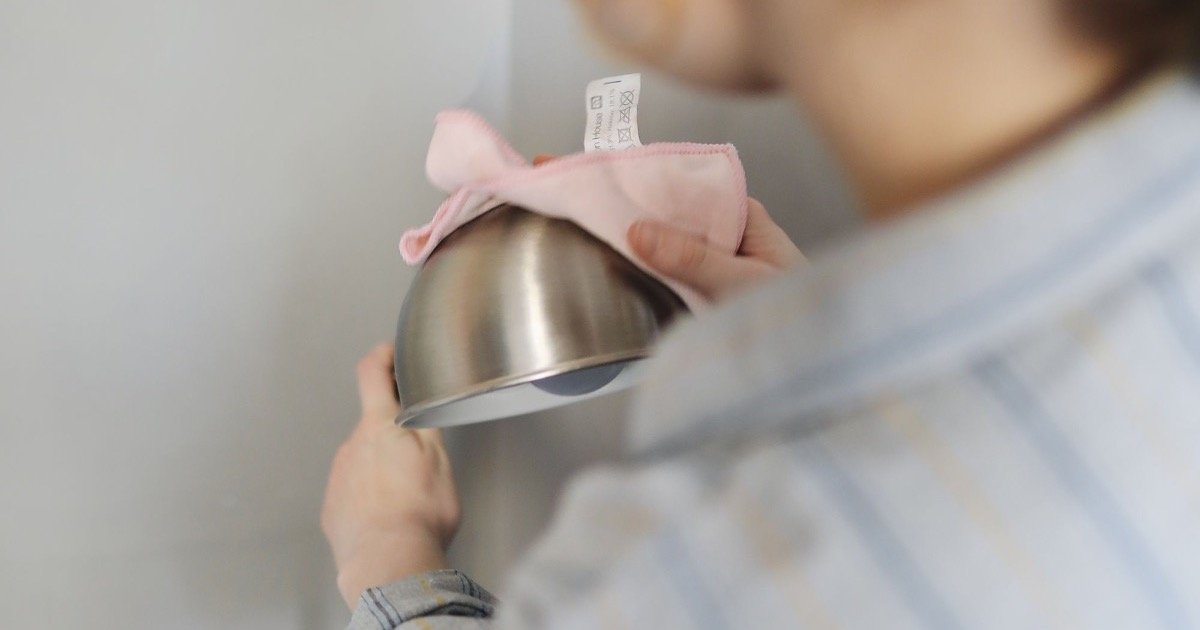
- Wipe the exterior with a soft cloth dampened with water and a little mild soap.
- Rinse or wipe away soap residue without flooding moving parts or enclosed cavities.
- Dry the surface and accessible joints completely with a clean cloth.
- Check function, threads, clips, and attachments before returning the item to carry.
For a pen, avoid soaking the refill and mechanism. For a capsule, dry its interior and mating threads. For a whistle, follow the maker’s cleaning guidance for the airway and mouthpiece.
Finish-Specific Cautions
| Finish or feature | Conservative approach | Avoid without product-specific approval |
|---|---|---|
| Anodized color | Soft cloth or sponge, mild soap, gentle hand wash | Metal polish, abrasive pads, acidic cleaners |
| Brushed or satin surface | Clean along the visible grain where practical | Circular scrubbing that changes the grain |
| Polished surface | Use a clean, non-abrasive cloth | Dirty cloths that can drag grit across the surface |
| Stonewashed or blasted texture | Lift residue from texture with a soft brush | Aggressive abrasion that alters the finish |
| Moving or threaded assembly | Target exposed surfaces and dry joints | Immersion or solvent use without checking the mechanism |
Why Anodized Color May Look Dull
Finger oils and residue can change the way light reflects from anodized titanium. Gentle cleaning may restore the appearance if the surface itself is intact. If the color has been abraded or chemically altered, cleaning cannot recreate the original oxide-film appearance. Our guide to anodized titanium color variation explains why viewing conditions and surface preparation also affect perception.
Avoid promising that every discoloration can be removed. If a part has unknown residue, damage, or a specialty finish, consult the manufacturer before using a stronger chemical.
Care Is Part of Product Design
Brands should document cleaning restrictions and include them in product instructions. A design with trapped dirt, exposed contact marks, or hard-to-dry cavities can create support issues even if the metal itself resists corrosion. Finish approval should consider how the product will look after normal carry and cleaning, not only when freshly unboxed.
Compare finish options in titanium surface finishes for EDC products. The Titanium Knowledge hub contains related material and appearance guidance.
FAQ
Can I use metal polish on anodized titanium?
Do not assume it is safe. Metal polish can alter or remove the thin surface effect responsible for the color. Follow the product maker’s instructions.
Is titanium gear dishwasher-safe?
Do not generalize from the material alone. EDC items may include coatings, adhesives, springs, refills, and other components. Hand cleaning is the safer default unless the maker says otherwise.
Do scratches mean the titanium is corroding?
Usually not. Scratches are surface wear, while corrosion is a different process. See does titanium rust? for the distinction.
Selecting a Titanium Finish for a New Product?
Explore titanium pen platforms and Alloywright’s development capabilities to connect finish choice with daily handling. Brands can ask about material and finish options for a specific project.