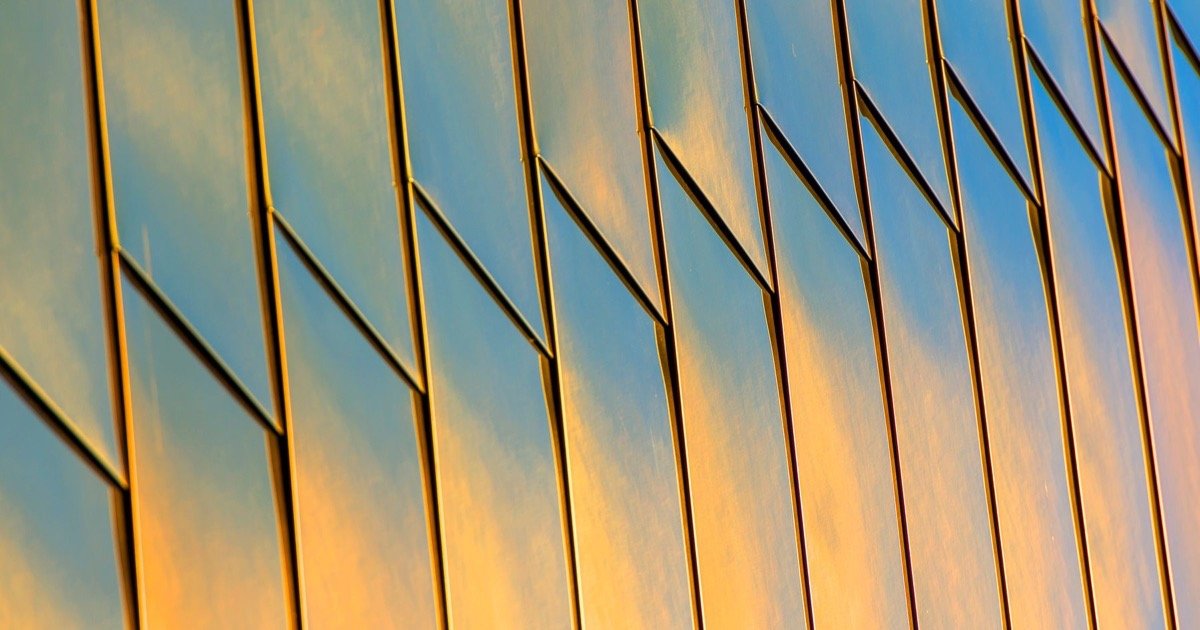
What color is titanium? In its natural metallic state, titanium is commonly described as gray to silver-gray. That short answer is useful, but it does not explain why two titanium EDC products can look noticeably different. Alloy, surface texture, polishing, blasting, stonewashing, contamination, fingerprints, lighting, and viewing angle all affect the color people perceive.
Titanium can also display blue, purple, gold, bronze, green, and other hues after controlled anodizing. Those colors are not usually a layer of colored paint. They arise from light interacting with a thin oxide film on the titanium surface.
What Does Natural Titanium Look Like?
Bare finished titanium usually sits in a cool gray or silver-gray range. A polished surface can look brighter and more reflective. A bead-blasted surface scatters light and often appears softer or more matte. Stonewashing creates irregular highlights and lowlights. The same part can look warmer in sunset or indoor lighting and cooler under daylight.
This is why “natural titanium” should not be treated as one universal color chip. If appearance matters, specify the alloy, surface-preparation route, finish target, cleanliness, and viewing conditions. The titanium surface finish guide compares how common finishing processes change visual character and touch.
Natural and Anodized Titanium Color Comparison
| Condition | Typical appearance | Main variables | Specification approach |
|---|---|---|---|
| Machined titanium | Gray to silver-gray with visible tool pattern | Tool path, alloy, roughness, oil, and lighting | Define machining and cosmetic acceptance zones |
| Polished titanium | Brighter, more reflective metallic gray | Polish level, edge condition, residue, and handling | Use process targets and an approved visual range |
| Bead-blasted titanium | Uniform matte gray when the process is controlled | Media, pressure, distance, cleanliness, and prior surface | Control media and sample under standard lighting |
| Stonewashed titanium | Varied gray with random bright and dark marks | Media, time, loading, geometry, and batch condition | Use range samples rather than one exact pattern |
| Anodized titanium | Interference colors such as bronze, gold, purple, blue, or green | Oxide thickness, surface preparation, process control, and viewing | Approve a range and control the full process |
| Coated or painted surface | Color comes from an added material layer | Coating chemistry, thickness, cure, adhesion, and texture | Specify the coating system separately from anodizing |
Why Anodized Titanium Has Color
Titanium forms an oxide film at its surface. In color anodizing, the process controls that transparent film so reflected light waves interfere with one another and produce a visible hue. The International Titanium Association’s anodizing overview describes the color as an optical interference effect and notes that preparation and process variables affect the result.
Because the perceived color depends on the oxide film and underlying surface, voltage alone is not a complete color specification. Cleaning, surface texture, bath condition, contact quality, temperature, geometry, post-treatment, and handling can shift the result. The guide to why anodized titanium colors vary covers these controls in more detail.
Why the Same Color Looks Different
An anodized flat coupon, a rounded pen body, and a textured clip may appear different even when processed together. Curved surfaces reflect the environment at changing angles. Matte textures scatter light, while polished surfaces produce stronger highlights. Oils and fingerprints can temporarily darken or mute a color.
Photography adds another layer of variation. Camera white balance, exposure, background, screen calibration, and image editing can make a product photo look unlike the physical sample. Approve color using physical references under defined viewing conditions, with photographs as supporting records rather than the only standard.
Do Titanium Grades Have Different Natural Colors?
Commercially pure titanium and common titanium alloys are all broadly metallic gray in ordinary finished form. Small differences may be visible after the same preparation, but surface condition and lighting often create a much larger apparent change than the grade name alone. Do not identify a titanium grade from color.
Material grade should be verified through controlled records and appropriate testing. The comparison of Grade 2 and Grade 5 titanium for EDC explains how their mechanical and manufacturing considerations differ.
Specify Titanium Color for Production
- Define whether the target is natural finished titanium, color anodizing, or another coating.
- State the alloy and the complete surface-preparation sequence.
- Identify cosmetic zones and surfaces that may show rack or electrical contact marks.
- Approve physical range samples that represent acceptable upper and lower appearance limits.
- Set lighting, distance, background, cleanliness, and viewing-angle conditions.
- Control cleaning, handling, packaging, and separation after finishing.
- Review a production-intent batch, not only a single hand-selected sample.
When choosing between matte options, see stonewashed versus bead-blasted titanium. The guide to cleaning titanium EDC gear also explains how to care for a finish without assuming every product uses the same treatment.
Set Realistic Color Expectations
Words such as blue, purple, or gold are starting points, not sufficient production limits. Even a named color may span a visible range across batches, geometries, finishes, or viewing angles. Brands should decide which amount of variation supports the intended aesthetic and which differences count as defects.
A practical approval package combines a written process requirement, controlled physical samples, photographs, defect definitions, and batch inspection. This makes the visual target more repeatable without promising an unrealistic paint-like uniformity from an interference-color process.
FAQ
Is titanium naturally blue?
No. Natural finished titanium is generally gray to silver-gray. Blue can be produced through controlled anodizing or another applied surface treatment.
Does anodized titanium color rub off?
The color comes from the oxide film rather than pigment, but the surface can still be scratched, abraded, contaminated, or altered by wear. Performance depends on the finish, geometry, use, and care.
Can you specify anodized titanium with a digital color code?
A digital value can support communication, but it should not be the only acceptance standard. Screen display, lighting, texture, angle, and process variation make physical range samples more useful for production control.
Planning a Titanium Finish?
Explore the Titanium Knowledge hub and the titanium tactical pen category for material and product examples. Brands can review Alloywright’s development capabilities or share a titanium color and finish brief for a project discussion.