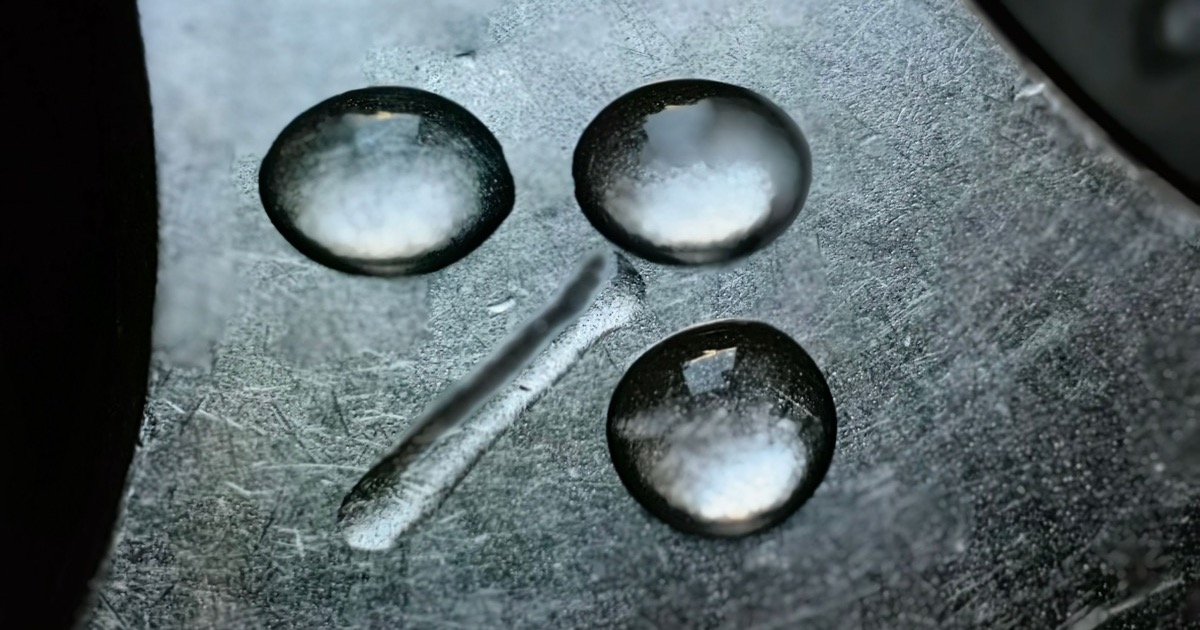
Titanium does not rust in the same way as iron or ordinary carbon steel, but “does not rust” is too broad for a product specification. Titanium forms a thin, stable oxide film that gives it strong corrosion resistance in many outdoor environments. Performance still depends on grade, surface condition, contaminants, geometry, and exposure.
Rust versus corrosion
Rust specifically refers to iron oxides produced when iron-containing materials corrode. Titanium contains no iron as its base metal, so its normal oxidation is not iron rust. Its protective oxide layer reforms when exposed to oxygen, which is why titanium is selected for wet and coastal applications.
Why brown or orange marks may appear
Discoloration on a titanium product may come from transferred steel particles, dirty blasting media, tools, nearby fasteners, deposits, or residues rather than corrosion of the titanium substrate. Proper cleaning and material handling are therefore important.
What influences corrosion behavior?
| Factor | Why it matters | Development response |
|---|---|---|
| Titanium grade | Grades and conditions are not identical | Specify the grade and standard |
| Surface contamination | Embedded iron can create rust-colored staining | Use controlled tooling, media, and cleaning |
| Crevices | Trapped environments differ from open surfaces | Review joints, threads, and drainage |
| Dissimilar metals | Electrical contact can change galvanic behavior | Evaluate the complete assembly |
| Chemicals and temperature | Compatibility changes with concentration and heat | Define realistic exposure and testing |
Outdoor and EDC situations to review
- Saltwater spray and coastal storage
- Sweat and skin contact
- Wet pockets and closed containers
- Steel clips, screws, springs, or key rings
- Cleaning agents and disinfectants
- Food, fuel, or chemical contact where applicable
Do not assume every component is titanium. A product can combine a titanium body with steel hardware, magnets, springs, or inserts that have different corrosion behavior.
Cleaning titanium EDC products
For ordinary care, follow the manufacturer’s instructions. Mild soap, clean water, a soft cloth, thorough rinsing, and drying are often appropriate. Avoid aggressive abrasives or chemicals unless compatibility has been confirmed. If staining persists, identify whether it is residue, transferred metal, finish change, or substrate damage before choosing a treatment.
Finish does not replace material control
Blasting, polishing, stonewashing, anodizing, or coating changes appearance and surface condition, but it does not justify an unsupported corrosion guarantee. Review the titanium finish guide and the comparison of Grade 2 and Grade 5 titanium.
Specification checklist
- Material grade and referenced standard
- All component materials
- Intended environment and cleaning method
- Surface process and contamination controls
- Required documentation
- Defined corrosion or exposure test, if needed
- Acceptance criteria for staining and appearance
Frequently asked questions
Can titanium corrode?
Yes under some conditions. Its oxide film provides strong resistance in many environments, but suitability must be evaluated for the actual exposure.
Why is my titanium item showing orange spots?
Transferred iron or contamination is one possibility. Inspection is needed before concluding that the titanium itself is corroding.
Is anodized titanium more corrosion resistant?
Anodizing changes the oxide surface and appearance, but any performance claim requires a defined grade, process, environment, and test.
How to investigate a corrosion complaint
Begin by recording the environment, duration, cleaning history, nearby materials, and exact location of the mark. Photograph the product before cleaning and identify every component material. Compare affected and unaffected areas, especially crevices, contact points, threads, and regions near steel hardware.
A useful supplier investigation separates cosmetic residue, transferred iron, finish variation, and substrate corrosion. Corrective action may involve cleaning control, dedicated tools or blasting media, assembly changes, packaging protection, or a revised material requirement.
Define the environment, not just “rustproof”
Alloywright reviews materials, finishes, assemblies, and inspection requirements for titanium outdoor and EDC products. Share your intended environment and product specification for review.