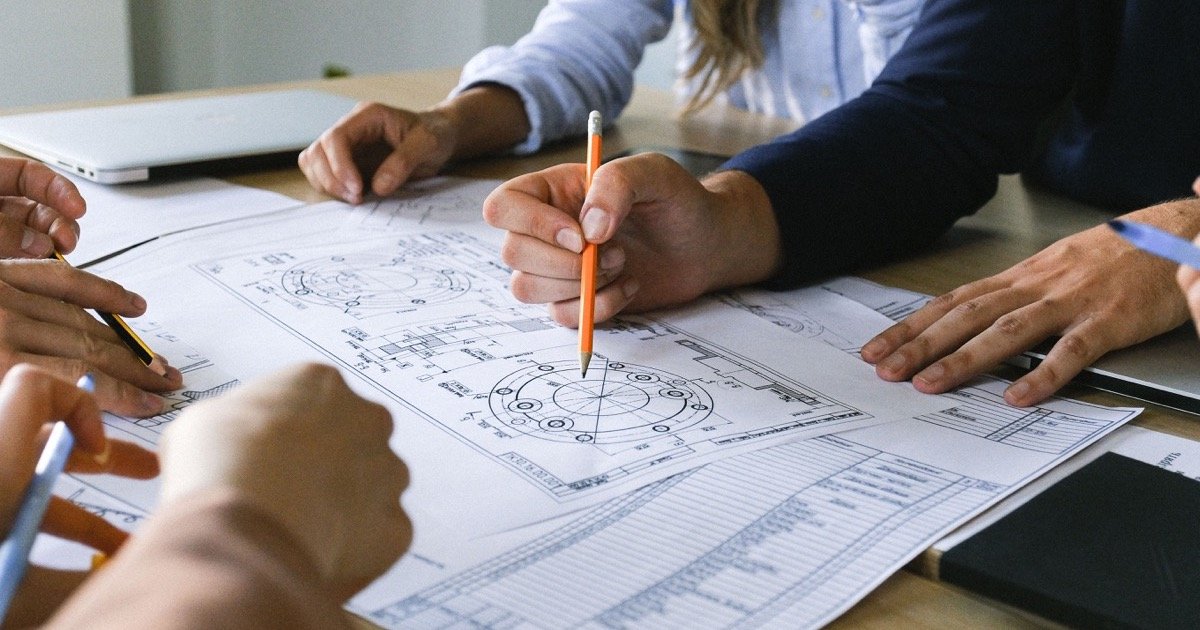
An engineering sample answers “Does the design work?” A pre-production sample answers “Can the approved product be made through the intended production process?” Treating the two as interchangeable can leave material, tooling, assembly, finish, packaging, or inspection risks unresolved.
This guide explains how EDC and outdoor product teams should use each sample stage and what to approve before mass production.
What is an engineering sample?
An engineering sample is built to evaluate design assumptions. It may use prototype tooling, simplified fixtures, substitute processes, temporary hardware, or a limited finish. Its purpose is learning: verify dimensions, ergonomics, mechanism, assembly, and basic function while changes are still expected.
Engineering samples should be clearly identified by revision. If a substitute material or process is used, record it so the team does not mistake a provisional result for production evidence.
What is a pre-production sample?
A pre-production sample represents the intended saleable product as closely as practical. It should use the approved material, production process, tooling, finish, logo, assembly method, packaging, and inspection plan. It is the final reference before production authorization, not another open-ended concept model.
Engineering vs pre-production samples
| Question | Engineering sample | Pre-production sample |
|---|---|---|
| Main purpose | Learn and revise | Confirm production readiness |
| Design changes | Expected | Should be controlled and limited |
| Material | May include documented substitutes | Intended production specification |
| Finish and branding | May be partial | Final process and artwork |
| Packaging | Usually not final | Final pack-out or approved equivalent |
| Approval output | Revised design and test record | Production authorization package |
What to test on engineering samples
- Overall dimensions, grip, carry, and ergonomics
- Mechanism movement and assembly access
- Threads, pivots, clips, springs, and mating parts
- Likely failure modes and misuse conditions
- Refill, lanyard, accessory, or packaging interfaces
- Early finish directions on representative surfaces
- Manufacturability and tolerance recommendations
Record every issue as a requirement, drawing change, or test action. Verbal approval without a revised file creates ambiguity.
What to confirm on pre-production samples
- Final material grade, condition, and required documentation
- Controlled drawing and specification revision
- Production tooling, fixtures, and process sequence
- Critical dimensions and functional test results
- Final surface finish and acceptable cosmetic range
- Logo artwork, size, position, orientation, and contrast
- Assembly method, torque or fastening control where applicable
- Retail packaging, labels, instructions, barcode, and carton protection
- Inspection plan, approved limit samples, and report format
When another sample round is necessary
Repeat validation when a change can affect function, fit, durability, safety, material behavior, finish, regulatory positioning, or packaging protection. A “small” change to thread geometry, clip material, chamber edge, coating thickness, or supplier can be significant.
Common approval mistakes
Do not approve photos instead of physical function where fit matters, mix revisions across CAD and drawings, accept a hand-finished prototype as the production standard, or authorize production with unresolved comments. Avoid approving only appearance while test data, packaging, or inspection criteria remain open.
Prepare a controlled input package using the custom titanium product specification guide. Material and finish changes should also reference the guides to material selection and titanium finishes.
A practical sample approval record
- Identify product, sample stage, date, and revision.
- List material, processes, and any substitutions.
- Record measurements and functional tests.
- Photograph approved appearance and noted defects.
- Classify every comment as accept, revise, or investigate.
- Update drawings, artwork, packaging, and inspection files.
- Obtain named approval for the exact revision.
- Retain an approved reference sample where practical.
How Alloywright manages the transition
Alloywright supports titanium and stainless-steel EDC and outdoor projects from concepts, samples, drawings, or CAD. Reviews can cover DFM, prototype revisions, material and finish, branding, packaging, and repeatable inspection requirements. See the development and manufacturing capabilities.
Frequently asked questions
Can one sample serve both stages?
For a simple customization it may be possible, but only if the sample truly uses the intended production material, process, finish, branding, assembly, and packaging. The project team should document that decision.
Does sample approval guarantee zero defects?
No. Approval establishes the intended standard. Production still requires process control, inspection, and agreed acceptance criteria.
Should packaging be part of the pre-production sample?
Yes when packaging affects finish protection, customer presentation, labeling, instructions, or logistics.
Who should approve the sample?
Relevant design, engineering, quality, sourcing, and brand stakeholders should review the aspects they control, with one recorded release decision.
Approve a production system, not only one object
A pre-production sample is valuable when its approved attributes can be repeated and inspected. Share your current files and sample stage with Alloywright to identify the next validation steps.