A useful product specification gives a manufacturer enough information to quote, prototype and inspect the same intended product. It does not need to begin as a perfect engineering package, but it should make requirements, assumptions and open decisions visible.
For custom titanium products, early clarity is especially valuable. Material grade, geometry, finish and machining strategy can have a large effect on cost and manufacturability. The checklist below helps brand owners prepare a practical request for quotation without embedding important specifications inside reference images.
1. Start with the product and intended use
Describe what the product is, who will use it and what it must do. A compact titanium pry tool, drinkware component and tactical pen may use similar materials, but their loads, safety considerations, finish expectations and test methods are different.
- Product name and short functional description
- Target customer and market
- Indoor, outdoor, marine or food-contact use
- Expected service conditions
- Critical functions and foreseeable misuse
This context helps the supplier identify questions that may not be obvious from a drawing alone.
2. Provide drawings, dimensions and reference samples
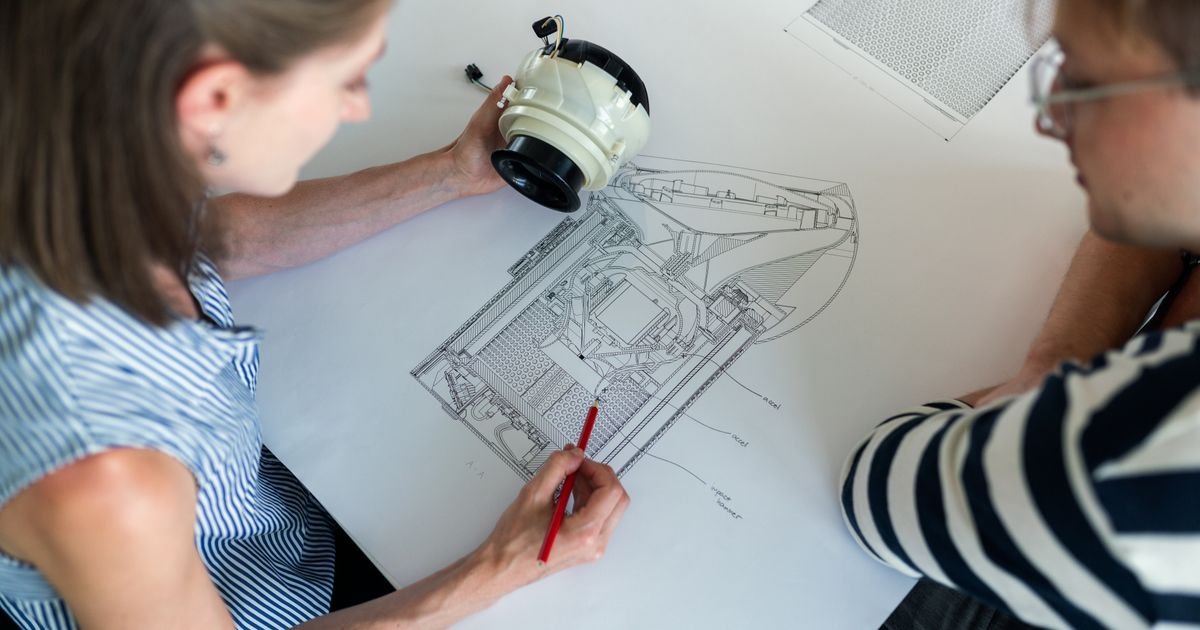
A 3D CAD file is helpful for geometry, while a controlled 2D drawing communicates dimensions, tolerances, threads, surface requirements and inspection points. If formal drawings are not available, provide a dimensioned sketch, annotated photographs or a physical sample and clearly label which features must change.
Avoid applying tight tolerances to every dimension. Unnecessary precision can increase machining time, inspection effort and rejection risk without improving product performance. Mark critical-to-function dimensions separately and allow the manufacturer to recommend practical tolerances elsewhere.
3. Specify titanium grade—or define the required performance
If a grade has already been validated, identify it using a recognized designation. For example, commercially pure titanium and Ti-6Al-4V do not offer identical strength, formability or machining behavior.
If the grade is not fixed, describe the performance target instead: required strength, corrosion environment, weight limit, temperature, food-contact needs or finish. A capable supplier can then recommend a grade for review. Do not approve a vague statement such as “titanium alloy” when material identity affects performance.
4. Define the finish with words and physical references
“Matte,” “satin” and “stonewashed” are useful starting points, but they are not complete inspection standards. Record the process, texture direction, gloss expectation, acceptable color range and areas that must remain free of cosmetic marks.
- Machined, brushed, polished, bead-blasted or stonewashed surface
- Anodized, PVD or other decorative treatment
- Approved physical sample or limit sample
- Cosmetic inspection distance and lighting
- Protected functional surfaces and threads
For anodized titanium, color can shift with oxide thickness, surface preparation, lighting and viewing angle. Agree on an acceptable range rather than relying on a screen color alone.
5. Separate branding artwork from product geometry
Supply logos as vector artwork where possible and specify the marking method, size, location, orientation and color. Laser marking, engraving, etching and printed methods produce different depth, contrast and durability.
Keep a controlled artwork file and revision number. A logo shown only in a rendering can be misinterpreted during production.
6. State quantity at each stage
Prototype quantity, sample quantity and production quantity should be listed separately. The economical process for five validation samples may not be appropriate for 3,000 production pieces. Forecast volume also affects tooling, fixtures, inspection planning and material purchasing.
For Alloywright programs, eligible samples may start from three pieces and can sometimes be mixed; custom programs generally start from 300 pieces. Final quantities depend on product design, process and customization.
7. Define packaging as a product requirement
Packaging protects the finish and communicates the brand. Specify individual protection, retail box or pouch, labels, barcode, manuals, carton quantity and shipping marks. For metal products, confirm how parts are prevented from contacting one another during transport.
8. Create measurable quality and approval criteria
Quality requirements should connect to product function and customer expectations. Identify the checks required at incoming material, in-process production and final inspection.
- Material certificate or grade verification
- Critical dimensions and inspection method
- Functional or assembly test
- Surface and cosmetic acceptance limits
- Logo position and legibility
- Packaging contents and drop protection, where relevant
- Approved sample and revision status
Clarify whether reports, third-party tests or regulatory documents are required before shipment. Requirements added after production begins can change cost and lead time.
9. Keep revisions under control
Assign a revision identifier to drawings, specifications, artwork and packaging. Record every approved change and make sure superseded files are clearly withdrawn. The quotation, sample approval and purchase order should all point to the same revision.
RFQ checklist for a custom titanium product
- Product description and intended use
- 2D drawing, 3D model, sketch or reference sample
- Critical dimensions and tolerances
- Titanium grade or required performance
- Surface finish and approved reference
- Logo artwork and marking method
- Prototype and production quantities
- Packaging requirements
- Quality checks, certificates and tests
- Target delivery market and schedule
Clarity before tooling reduces expensive changes
A specification is a working agreement between design, sourcing, manufacturing and quality teams. It should become more precise as the product moves from concept to prototype and production.
Alloywright can review early references, identify missing decisions and help turn a concept into a manufacturable specification. To prepare a quotation, send the available files, target quantity, finish and packaging requirements.