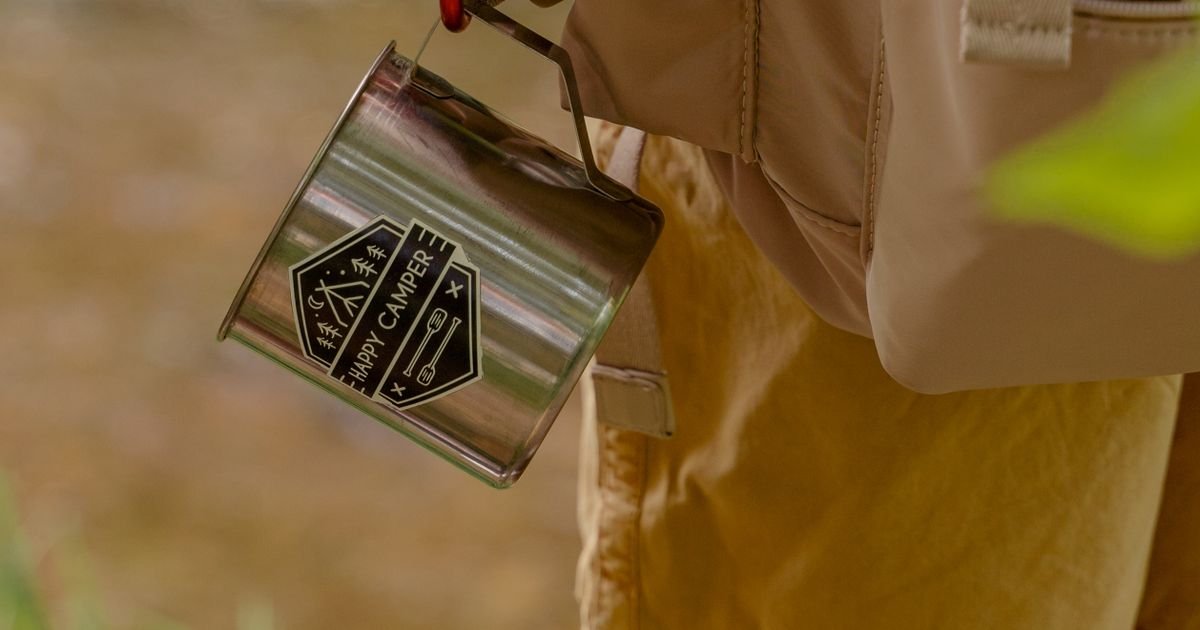
Titanium is widely used in outdoor gear because it combines low weight, high strength, exceptional corrosion resistance, and long service life. For hikers, campers, cyclists, climbers, and overlanders, that combination can mean less weight to carry and equipment that keeps performing through rain, salt, sweat, heat, and repeated use.
You will find titanium in camping cookware, water bottles, cutlery, tent stakes, stove parts, bicycle components, knives, carabiner-style accessories, and compact everyday-carry tools. It is not the cheapest metal, but in demanding applications its performance often justifies the premium.
What makes titanium ideal for outdoor gear?
The value of titanium does not come from one isolated property. It comes from a balanced set of characteristics that suit real outdoor conditions. Titanium is much lighter than steel, stronger and more heat-resistant than many lightweight alternatives, and naturally protected against corrosion by a stable oxide layer.
Exact performance depends on the grade, alloy, product geometry, and manufacturing process. Still, the following comparison explains why outdoor product designers frequently consider titanium:
| Property | Titanium | Stainless steel | Aluminum |
|---|---|---|---|
| Typical density | About 4.5 g/cm³ | About 7.8–8.0 g/cm³ | About 2.7 g/cm³ |
| Strength-to-weight potential | Excellent | Good, but heavier | Good, depending on alloy |
| Corrosion resistance | Excellent | Very good | Good |
| Heat transfer | Relatively low | Relatively low | High |
| Typical cost | High | Moderate | Low to moderate |
These are broad comparisons, not design specifications. A finished product should always be engineered around its actual load, temperature, surface, and environmental requirements.
1. A high strength-to-weight ratio reduces pack weight
Every gram matters when equipment must be carried for hours or days. Titanium has a density of roughly 4.5 g/cm³, compared with approximately 7.9 g/cm³ for iron-based materials. That does not mean every titanium product is automatically lighter, because wall thickness and design also matter. However, titanium gives engineers room to create thin, strong parts that can deliver meaningful weight savings over comparable steel products.
This advantage is especially valuable for backpacking cookware, utensils, tent hardware, fasteners, and bicycle components. A single titanium item may save only a small amount of weight, but savings across an entire kit can noticeably reduce fatigue and improve mobility.
2. Titanium resists rust and harsh outdoor environments
Outdoor equipment is regularly exposed to rain, humidity, mud, sweat, food acids, and sometimes seawater. Titanium reacts with oxygen to form a thin, stable, adherent oxide film on its surface. If the surface is scratched, that protective layer can reform when oxygen is present.
This natural passivation gives titanium outstanding resistance to many common corrosive environments. Unlike ordinary carbon steel, it does not need paint or a heavy protective coating simply to avoid rust during normal outdoor use. That makes titanium attractive for coastal camping, bikepacking, fishing equipment, marine accessories, and gear that is stored while still damp.
3. It is durable enough for repeated use
Ultralight gear is useful only if it survives the trip. Properly selected titanium grades offer strong mechanical performance, good fatigue resistance, and the ability to tolerate frequent handling. Titanium tent stakes can withstand demanding ground conditions, while bottles, mugs, and utensils can remain functional after years of travel.
Titanium can scratch and thin products can still deform, so it should not be described as indestructible. The more accurate benefit is durability relative to weight: manufacturers can create a light product without giving up the reliability expected from a metal component.
4. Titanium performs across a wide temperature range
Titanium alloys retain useful mechanical properties across a broad range of temperatures. This is one reason the material is used in aerospace and industrial applications as well as outdoor products.
For camping equipment, titanium can be used around boiling water and open-flame cooking when the product is designed correctly. It is common in pots, mugs, stove supports, and heat-resistant hardware. However, titanium transfers heat less evenly than aluminum. A thin titanium pan can develop hot spots, so it is usually better for boiling water and simple trail meals than for delicate cooking that requires uniform heat.
5. It is well suited to food and drink products
Titanium is a popular choice for reusable bottles, mugs, pots, bowls, and cutlery. Its corrosion resistance helps it tolerate water and many foods without requiring an interior coating. It also does not rust or leave the metallic taste commonly associated with some lower-grade metal products.
Food-contact performance still depends on the complete product—not just the base metal. Manufacturers must control material grade, lubricants, cleaning, finishing, welding, and any other substances used during production. Responsible suppliers should be able to provide traceability and support testing for the intended market.
6. A long service life can reduce replacement waste
Titanium requires significant energy and expertise to produce, so “titanium” does not automatically mean environmentally friendly. Its sustainability case is primarily about longevity. A durable item that remains in use for many years may replace multiple short-lived products.
Titanium is also recyclable. At the end of a product’s useful life, clean titanium scrap has value and can re-enter the material supply chain. Good design improves this advantage by avoiding unnecessary mixed materials, permanent adhesives, or constructions that are difficult to separate.
7. Titanium gives premium outdoor products a distinctive finish
Performance drives the material choice, but appearance also matters. Titanium has a clean gray metallic finish that works well for premium minimalist gear. It can be brushed, blasted, polished, coated, or anodized to create different textures and colors.
Anodized titanium colors are produced through controlled oxide-film thickness rather than conventional pigment. The result can add visual identity without a thick paint layer. This makes titanium especially appealing for branded accessories, limited editions, and products where both durability and design are part of the buying decision.
Where is titanium commonly used outdoors?
- Camping cookware: pots, mugs, bowls, lids, and stove components
- Hydration products: bottles, flasks, and compact cups
- Eating tools: spoons, forks, chopsticks, and multi-use utensils
- Shelter hardware: tent stakes, pegs, fasteners, and small connectors
- Cycling equipment: frames, bolts, racks, cages, and selected components
- Everyday-carry gear: clips, pry tools, key accessories, and organizers
- Marine and fishing gear: corrosion-resistant hardware and accessories
Are there disadvantages to titanium outdoor gear?
Yes. Titanium is not the best material for every product.
- Higher cost: Raw material, forming, machining, welding, and finishing can cost more than common stainless steel or aluminum processes.
- Manufacturing difficulty: Titanium requires appropriate tooling, process control, and experience. Poor machining or welding practices can damage performance.
- Uneven cooking heat: Low thermal conductivity can create hot spots in thin cookware.
- Possible galling: Sliding or threaded titanium surfaces may seize without suitable design, finish, lubrication, or material pairing.
- Grade matters: Commercially pure titanium and titanium alloys do not have identical strength, formability, or temperature capabilities.
A well-designed outdoor product therefore begins with the use case, not with a fashionable material label. Load, geometry, weight target, manufacturing volume, budget, food-contact requirements, and expected environment should all guide the final grade and process.
Titanium vs. stainless steel vs. aluminum: which should you choose?
Choose titanium when the product needs premium weight savings, high corrosion resistance, durability, and a long service life. Choose stainless steel when toughness, cost efficiency, and familiar manufacturing processes are more important than minimum weight. Choose aluminum when very low weight, good heat distribution, and economical high-volume production are priorities.
Many successful outdoor products use more than one material. For example, a cooking system may combine an aluminum heat-spreading component with titanium structural or food-contact parts. Material selection works best as an engineering decision at the component level.
Frequently asked questions
Is titanium lighter than stainless steel?
Yes. Titanium is roughly 40–45% less dense than typical stainless steel. The weight difference in a finished product depends on its dimensions and design.
Does titanium outdoor gear rust?
Titanium does not rust like iron or carbon steel. Its stable surface oxide gives it excellent corrosion resistance in many outdoor environments, although no material is immune to every chemical or temperature condition.
Is titanium better than aluminum for camping cookware?
It depends on the task. Titanium is durable, corrosion-resistant, and ideal for lightweight boiling pots and mugs. Aluminum spreads heat more evenly and is often better for frying or simmering. Product design and cooking style matter more than a simple “better” label.
Why is titanium outdoor gear expensive?
Titanium extraction and processing are demanding, and the metal can be more difficult to form, machine, and weld than common alternatives. Specialized production knowledge, tighter process control, and lower manufacturing volumes also contribute to the price.
Turning titanium performance into a successful product
Titanium earns its place in outdoor gear by solving several problems at once: it reduces weight, resists corrosion, delivers long-term durability, and creates a premium user experience. The best results come from matching the right titanium grade and manufacturing process to the actual product requirements.
Alloywright helps brands develop premium titanium products from material selection and design-for-manufacturing through prototyping and production. If you are evaluating titanium for a new outdoor product, involve an experienced manufacturing partner early—the right decisions at the design stage can improve performance, control cost, and prevent expensive production changes.