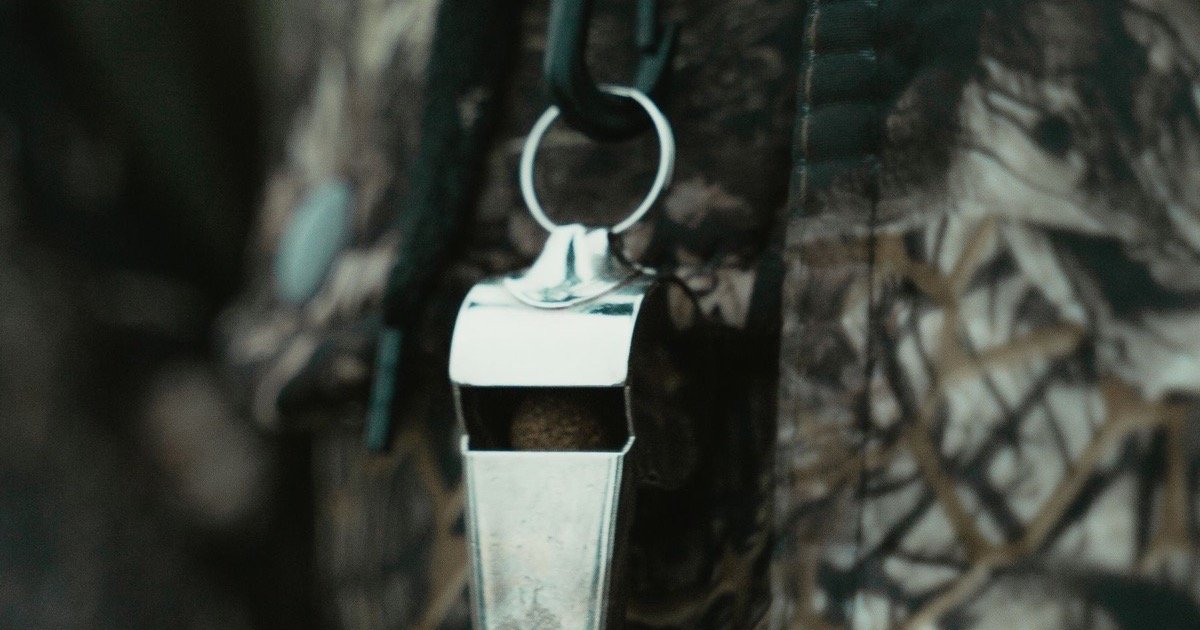
Titanium, aluminum, and plastic emergency whistles can all be designed for outdoor signaling, but material alone does not determine performance. Chamber geometry, airway dimensions, edge condition, contamination, user technique, and test method all matter. For brands comparing product platforms, the useful question is not “Which material is best?” but “Which material and manufacturing route fit the intended product?”
Separate Acoustic Performance From Material
Two whistles made from different materials may also differ in chamber count, wall thickness, openings, mouthpiece geometry, and overall size. A louder result cannot be attributed to material unless other variables and the measurement method are controlled. Likewise, a premium metal body does not eliminate the need for acoustic and usability testing.
For a test-planning framework, read how brands should evaluate emergency-whistle loudness. If the whistle is intended as safety equipment, claims should match documented tests and the markets where it will be sold.
Material Tradeoffs at a Glance
| Criterion | Titanium | Aluminum | Plastic |
|---|---|---|---|
| Weight | Moderate density; geometry can still produce a compact lightweight product | Lower-density metal that can suit weight-sensitive designs | Often very light, depending on resin and wall design |
| Durability approach | Resistant to corrosion in many outdoor conditions; grade and design still matter | Finish and alloy selection affect wear and corrosion behavior | Impact, UV, temperature, and aging depend on resin and molding design |
| User feel | Premium metal feel with low heat transfer relative to aluminum | Metal feel and faster temperature response | Less cold-to-touch in many conditions and allows molded shapes |
| Appearance | Machined, blasted, polished, stonewashed, or anodized options | Anodized colors and machined or formed finishes | Wide molded color options and integrated graphics |
| Production economics | Often suited to premium positioning and machining-led programs | Can balance metal positioning and cost | Tooling may support scale, but setup and resin choices matter |
What Titanium Offers
Titanium is attractive where a brand wants corrosion resistance, a machined-metal experience, and a premium product story. It is denser than aluminum but much less dense than typical stainless steel. Published technical data lists commercially pure titanium around 4.51 specific gravity and aluminum around 2.7, so equivalent solid shapes are not equal in weight. Geometry and alloy remain important; the Nippon Steel titanium technical data provides a useful property comparison.
A titanium whistle may use thin sections or compact geometry to manage mass, but it should still be evaluated for edge comfort, airway cleanliness, finish consistency, and attachment strength. Browse titanium whistle platforms for examples of different body and chamber formats.
Where Aluminum Fits
Aluminum offers low density and a familiar metal feel. Alloy, wall thickness, anodizing, and exposure conditions influence durability and appearance. Thin sections can dent, while sharp or damaged edges can affect handling. Brands should approve actual finished samples because color and texture depend on the selected process.
Aluminum is not automatically louder or quieter than titanium. Acoustic comparison requires equivalent designs or a clearly defined test of complete products.
Why Plastic Remains Relevant
Plastic enables molded shapes, broad color choices, and potentially efficient high-volume production. It can also feel less cold against the lips in winter use. The tradeoffs depend heavily on resin, pigment, wall design, molding quality, UV exposure, temperature range, and aging. Avoid treating “plastic” as one uniform material.
Tooling cost and minimum order logic may differ from machined metal programs. If the project is still evaluating format and demand, compare the development and sourcing path before committing to a production method.
Test the Complete Whistle
- Define the intended environment, users, and carry position.
- Record material grade or resin, finish, geometry, and sample revision.
- Measure acoustic performance with a documented setup and repeatable conditions.
- Check wet, cold, dirty, and gloved operation when those conditions are relevant.
- Inspect the mouthpiece, attachment feature, edges, and chamber after durability tests.
- Confirm packaging, instructions, and claims match the approved product.
Chamber layout also changes the design; see single-, dual-, and triple-tube whistles. Carry position matters after the product is selected, so connect the decision to our guide on where to attach a whistle on a hiking pack.
FAQ
Is a titanium whistle always lighter than an aluminum whistle?
No. Aluminum has lower density, while actual product weight depends on size, wall thickness, chamber design, and attachments.
Does metal make a whistle louder?
Not by itself. Geometry, airflow, test conditions, and user input all affect measured output.
Which material is best for cold-weather use?
There is no universal answer. Mouth feel, gloves, moisture, temperature, brittleness or denting risk, and the complete design should be tested for the intended conditions.
Planning an Outdoor Whistle Program?
The Outdoor & Preparedness hub connects material choice with use and test guidance. Review Alloywright capabilities or discuss a titanium whistle requirement with the team before defining claims or production specifications.