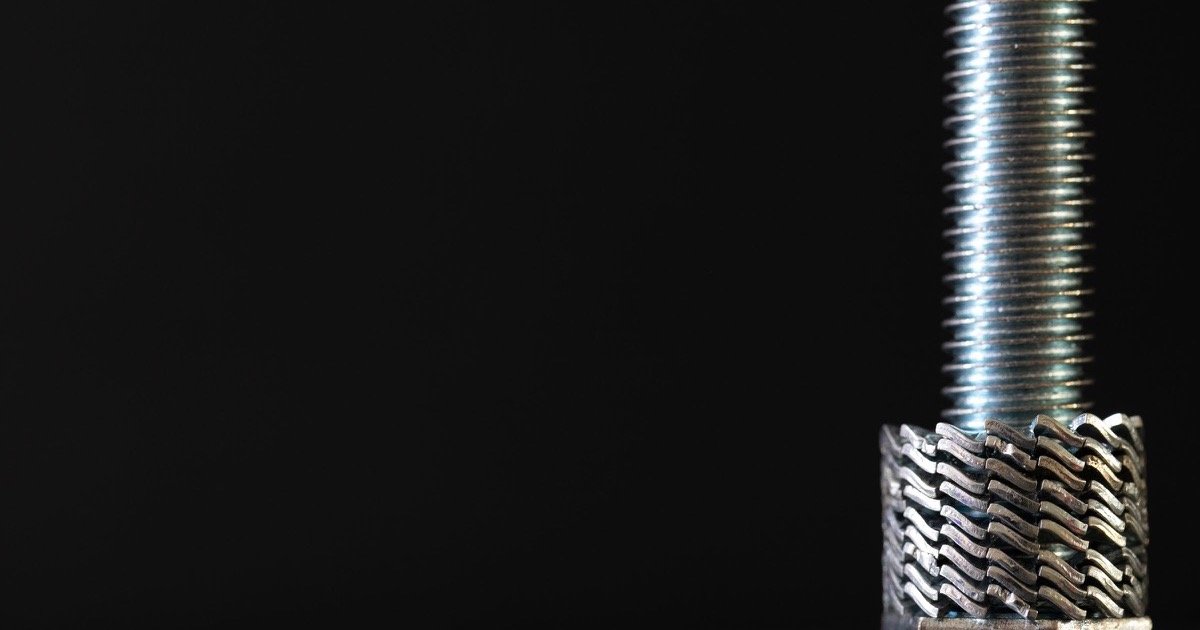
Titanium thread galling occurs when mating surfaces adhere and tear during tightening or removal. In severe cases, a fastener can seize before the joint is fully assembled. For titanium EDC products with threaded caps, body sections, fasteners, or accessories, galling prevention should be part of the design and assembly plan—not an improvised fix on the production line.
Why Titanium Threads Can Gall
Titanium forms a stable oxide surface that supports corrosion resistance, but sliding contact under pressure can disrupt that surface. Local adhesion, friction, heat, and material transfer may then escalate quickly. Risk rises when similar materials run against each other, threads are dry or contaminated, engagement is misaligned, surfaces are rough, or assembly speed and torque are poorly controlled.
Common Risk Factors and Controls
| Risk factor | What may happen | Design or process response |
|---|---|---|
| Titanium-on-titanium contact | Higher tendency for adhesive wear | Evaluate dissimilar mating materials or an appropriate surface system |
| Rough or damaged threads | High spots concentrate friction | Control machining, deburring, cleaning, and inspection |
| Misalignment | Cross-threading and uneven contact | Add a useful lead-in and guide the initial engagement |
| Dry assembly | Friction and heat can rise rapidly | Validate a compatible lubricant or other controlled strategy |
| Excessive speed or torque | Contact damage can accelerate | Define assembly tools, limits, and operator method |
Design the Threaded Joint for Real Use
Start with the purpose of the joint. A cap opened every day has different requirements from a fastener installed once at the factory. Define engagement length, thread form, lead-in, shoulder location, clearance, stopping method, and the feel the user should experience. Avoid asking the thread to provide alignment, sealing, preload, and a cosmetic stop unless the interfaces are deliberately engineered together.
Provide enough access for cleaning and assembly. Hidden chips or blasting media can damage a thread that looked acceptable at incoming inspection.
Material Pairing and Surface Strategy
A dissimilar mating material can reduce like-on-like contact, but it also changes corrosion behavior, wear, strength, color, and supply complexity. Coatings or surface treatments may help in some designs, yet they need validation for thickness, adhesion, appearance, and repeated use. A lubricant must be compatible with the material, finish, user environment, packaging, and any cleanliness requirement.
No single prevention method suits every product. Test the complete combination rather than assuming a change that worked on one part will transfer directly to another.
Control Manufacturing and Assembly
- Specify thread standard, fit, depth, lead-in, and inspection method.
- Deburr without rounding away functional geometry.
- Clean parts before mating them and protect threads during finishing.
- Use controlled assembly speed and torque where applicable.
- Prevent cross-threading with fixtures or process guidance.
- Quarantine and investigate parts that feel rough instead of forcing them.
Tolerance decisions also influence thread behavior and alignment. See choosing tolerances for titanium EDC products.
Validate With Representative Cycles
Engineering samples should use the intended material, finish, lubricant, and assembly method. For user-operated joints, cycle multiple representative samples and inspect for rising torque, debris, discoloration, roughness, or dimensional change. Include likely contamination and handling conditions where relevant. If a finish or supplier process changes, repeat the evaluation.
FAQ
Can titanium threads seize without excessive tightening?
Yes. Galling can begin during ordinary movement if surface condition, alignment, material pairing, or lubrication is unfavorable.
Will anodizing always prevent galling?
No. Anodizing changes the surface, but performance depends on the full system and the durability of that surface under contact. Validate it for the actual joint.
Can a seized titanium fastener simply be forced loose?
Force can worsen damage or break components. Stop assembly, isolate the part, and follow an approved recovery or rejection procedure.
Developing a Threaded Titanium Product?
Alloywright helps brands review materials, fits, finishes, prototypes, and production controls for titanium EDC components. Contact us to address galling risk before production.