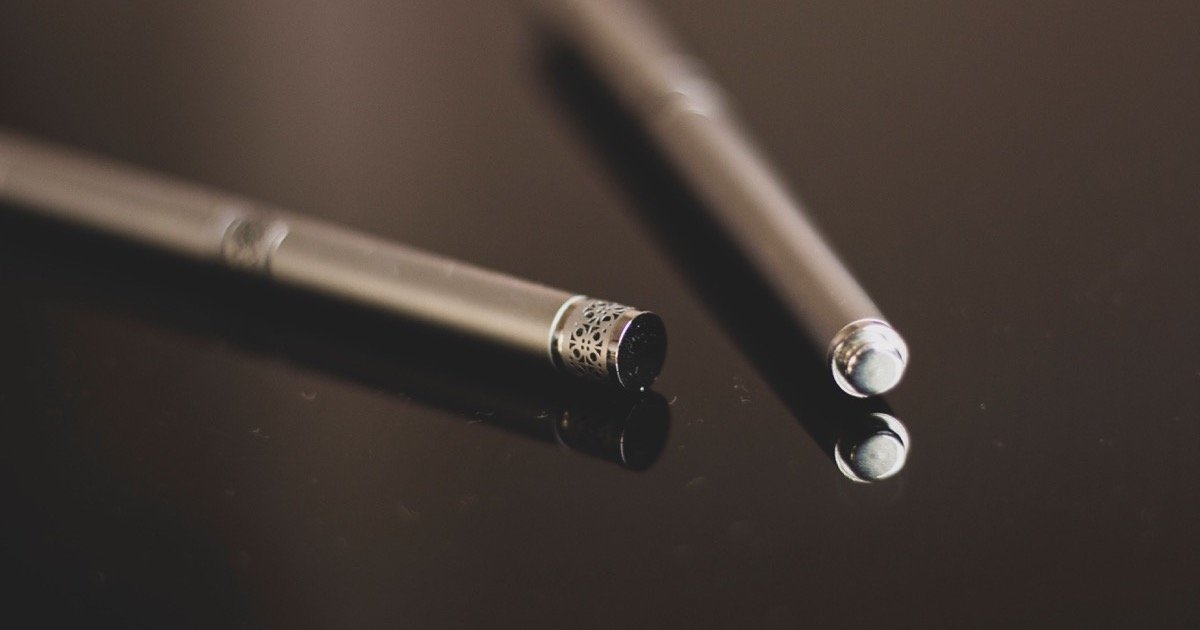
A titanium tactical pen succeeds only when it works first as a dependable writing tool. Material, diameter, balance, refill access, clip geometry, and mechanism all influence whether a pen is comfortable to carry or merely looks technical. For EDC brands, these choices also determine machining complexity, assembly risk, finish consistency, and the clarity of the production specification.
This guide explains the design criteria that product teams should evaluate before selecting or developing a titanium tactical pen platform.
What is a titanium tactical pen?
A tactical pen is a metal writing instrument designed for robust everyday carry. Depending on the concept, it may include a reinforced body, textured grip, strong pocket clip, bolt-action or push mechanism, and an emergency impact tip. These features do not remove the need for safe, comfortable writing and secure refill retention.
“Titanium tactical pen” describes the product category, not a complete material specification. The titanium grade and the materials used for the clip, fasteners, spring, tip, and internal mechanism should be confirmed for each design.
Seven criteria for a practical titanium tactical pen
1. Comfortable proportions
Overall length, body diameter, grip diameter, and taper should suit the target user and refill. A larger body can feel secure but may become tiring during longer writing sessions or too bulky beside a phone and wallet. A very slim body can limit internal space and reduce grip comfort. Evaluate prototypes with different hand sizes and common writing positions.
2. Balanced weight distribution
Titanium can reduce weight compared with some steel constructions, but material alone does not create good balance. Wall thickness, internal hardware, clip mass, and the location of the mechanism affect where the pen rests in the hand. Test the complete assembly with the intended refill rather than judging an empty machined body.
3. A mechanism suited to the use case
Bolt-action, side-slider, click, twist, and capped designs offer different experiences. A mechanism should deploy intentionally, resist accidental movement in the pocket, and remain serviceable after repeated use. Review travel, detent feel, spring behavior, wear surfaces, and assembly sequence. Moving interfaces may require different materials or surface controls from the external body.
4. Refill compatibility and replacement
Choose the refill family early. Refill length, tip geometry, spring position, and rear interface shape the internal design. Brand teams should also consider market availability and whether users can replace the refill without special tools. A specification should identify the validated refill, acceptable equivalents, spring, spacer, and tip-clearance requirements.
5. A secure, usable pocket clip
The clip affects retention, access, and the visual silhouette. Test insertion over the intended pocket material, retention after repeated cycles, snag points, screw security, and whether the clip creates uncomfortable pressure during writing. Deep-carry clips and sculpted clips may require different machining, forming, or attachment strategies.
6. Controlled grip and edges
Knurling, grooves, flats, and blasted textures can improve control, but aggressive features may abrade fabric or become uncomfortable. Chamfers and radii should remove hazardous edges without making the product feel undefined. If the design includes an impact tip, its shape, material, legal positioning, packaging, and intended-use language require project-specific review.
7. A finish that supports daily carry
As-machined, brushed, polished, bead-blasted, stonewashed, anodized, and coated finishes show wear differently. Select the finish before finalizing cosmetic zones, tolerances, masking, and logo contrast. See the guide to titanium surface finishes for EDC products for production considerations.
Design tradeoffs to compare
| Decision | Potential benefit | What to validate |
|---|---|---|
| Thicker body | Substantial grip and more internal space | Comfort, pocket bulk, and weight |
| Deep-carry clip | Lower visual profile | Access, insertion force, and mounting |
| Bolt-action mechanism | Distinctive operation | Travel, detent, wear, and handed use |
| Aggressive texture | More grip | Writing comfort and fabric abrasion |
| Anodized color | Product differentiation | Color range, wear appearance, and batch control |
What to test during prototyping
- Writing comfort during short and extended sessions
- Balance with the approved refill installed
- Deployment and retraction from multiple orientations
- Accidental activation in realistic carry conditions
- Clip insertion, retention, and repeated-cycle behavior
- Refill replacement and tip alignment
- Thread engagement, fastener security, and assembly access
- Finish appearance after handling beside common EDC objects
- Logo position, contrast, and orientation when clipped
- Packaging protection and included user information
Common development mistakes
Frequent problems include selecting the refill after machining begins, copying external dimensions without testing balance, specifying tight tolerances on every feature, treating the clip as decoration, and approving color from a screen image. Another mistake is evaluating a presentation sample while ignoring assembly time and repeatability.
A controlled drawing should distinguish critical-to-function dimensions from cosmetic requirements. If the material decision is still open, compare titanium and stainless steel for EDC products.
How Alloywright supports tactical pen programs
Alloywright supports OEM, ODM, and private-label development for titanium and stainless-steel outdoor and EDC products. A project can begin with an existing platform, reference sample, sketch, drawing, or CAD file. Material, mechanism, dimensions, finish, branding, packaging, and inspection requirements are reviewed before production.
Brands can review the titanium bolt-action tactical pen platform and Alloywright’s development and manufacturing capabilities when defining a program.
Frequently asked questions
Is Grade 5 titanium always required for a tactical pen?
No. The appropriate grade depends on geometry, loads, forming, machining, finish, and component function. The grade for the body and every other component should be specified and confirmed for the project.
Which tactical pen mechanism is best?
There is no universal best mechanism. Select according to intended use, deployment preference, pocket safety, serviceability, assembly complexity, and validated cycle performance.
Should a tactical pen use a proprietary refill?
A proprietary refill can support a specific design, but it may make replacement harder. Product teams should balance geometry and writing performance against availability and long-term user support.
When should the pocket clip be tested?
Test it during early prototypes and again on pre-production samples with the final material, heat treatment if applicable, finish, fasteners, and pocket-clearance geometry.
Build the specification around real use
A good titanium tactical pen balances writing, carry, mechanism, serviceability, finish, and production control. To discuss a branded or original program, share your target user, refill preference, reference design, finish direction, quantity, and packaging requirements with Alloywright.